Project Timeline
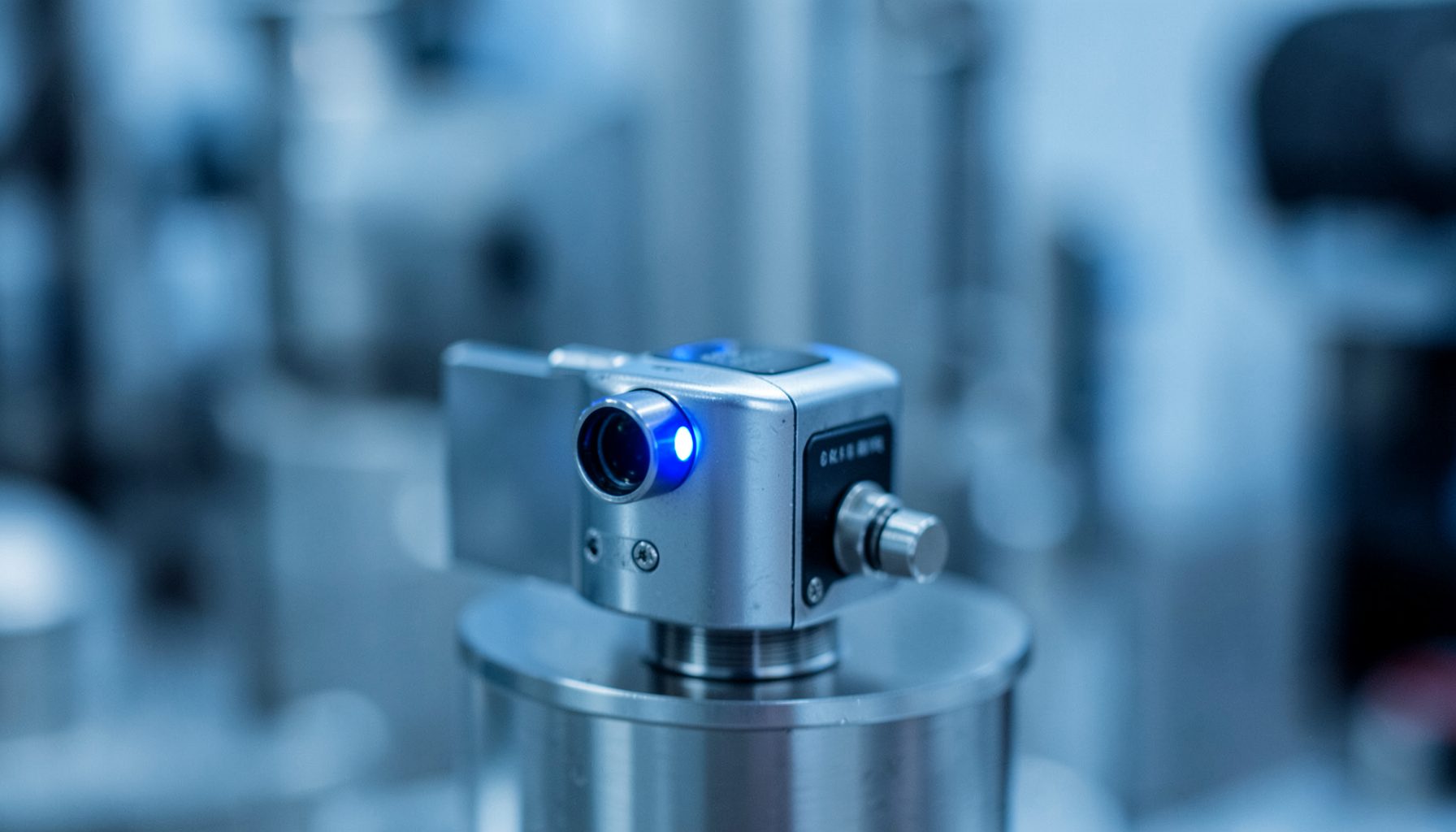
- September 2015 The Danish patent authorities confirmed the patentability of the DOCA patent claims and innovative technology.
- February 2015 The DOCA sensor patent was filed with the Danish patent authorities.
- February 2015 The team successfully demonstrated the prototype DOCA sensor at the final meeting at REA.
- January 2015 The DOCA sensor was successfully tested on the industrial type facility at PAJ.
- December 2014 The software team completed the graphical user interface and the packaging of the electronics was finished.
- November 2014 Sensitivity and linearity of the sensor head was confirmed at the Dutch Metrology Institute VSL using certified gas mixtures. The software team recorded signals onto the FPGA platform and initial data processing was being implemented.
- October 2014 Focus was on finalizing the electronics, with improvements made daily.
- March 2014 The DOCA sensor head was in its final stages and had successfully demonstrated sensitivity below the ppb level for simple oil.
Project Acronym
DOCA stands for Detection of Oil in Compressed Air. The project reference is FP7-SME-286106, funded by the European Union's Seventh Framework Programme managed by REA under Grant Agreement N. 286106. The project ran from 1 September 2012 to 30 August 2014.
The DOCA project represents a major collaborative effort to solve a persistent challenge plaguing multiple industries: the reliable detection of oil contaminants in compressed air systems. Until now, industries have relied heavily on manual laboratory analysis, a process that is labour intensive, inefficient, and often insufficient for meeting mandatory regulatory norms. The project aims to develop a highly sensitive online sensor capable of detecting oil in its various forms, including liquid, aerosol, and vapor. This innovation will enable companies to guarantee conformance with ISO purity class standards, eliminating risks and civil liabilities while enhancing overall product quality.
At the heart of the DOCA sensor is advanced optical spectroscopy technology, chosen after careful deliberation as the most promising approach for achieving the required sensitivity and repeatability. The sensor is designed to detect extremely low concentrations of oil contaminants, providing reliable, real-time data without the delays inherent in traditional sampling methods. The development team has focused on ensuring robustness against interference, stable calibration, and consistent performance across varying environmental conditions. These technical characteristics are essential for industries that require uncompromised compressed air purity, including hospitals, pharmaceutical manufacturing, automotive production, and chemical processing.
The consortium behind the DOCA project brings together competent small and medium enterprises partnered with leading research institutions, combining specialised expertise in electronics, optical systems, and fluid dynamics. This collaborative structure ensures that every critical element of the sensor's development is addressed by dedicated work packages, from initial concept through to prototype testing and commercial readiness. The partnership model has been deliberately designed to accelerate innovation while maintaining the rigorous standards demanded by regulated industries. Each partner contributes distinct capabilities that together form a complete value chain from fundamental research to market deployment.
The successful demonstration of the prototype DOCA sensor marks a significant milestone toward transforming how industries monitor compressed air quality. By providing a reliable, highly sensitive, and automated detection solution, the project addresses the longstanding lack of dependable online monitoring tools. The ability to continuously verify air purity in real time represents a fundamental improvement over current practices, offering substantial benefits for quality control and regulatory compliance. As the technology moves closer to commercial availability, it promises to enhance the operational capabilities of companies across multiple sectors, enabling them to achieve higher standards of product safety and process reliability.